Online counselling · Aotearoa New Zealand
The hardest part of counselling might just be finding the right person to work with.
I’m Kirsty, a registered counsellor working online with adults and young people across New Zealand. I work relationally, which means the relationship between us isn’t what comes before the therapy. It is the therapy. The free first call is how you find out whether I’m that person.
Who you’d be talking to
I’m Kirsty
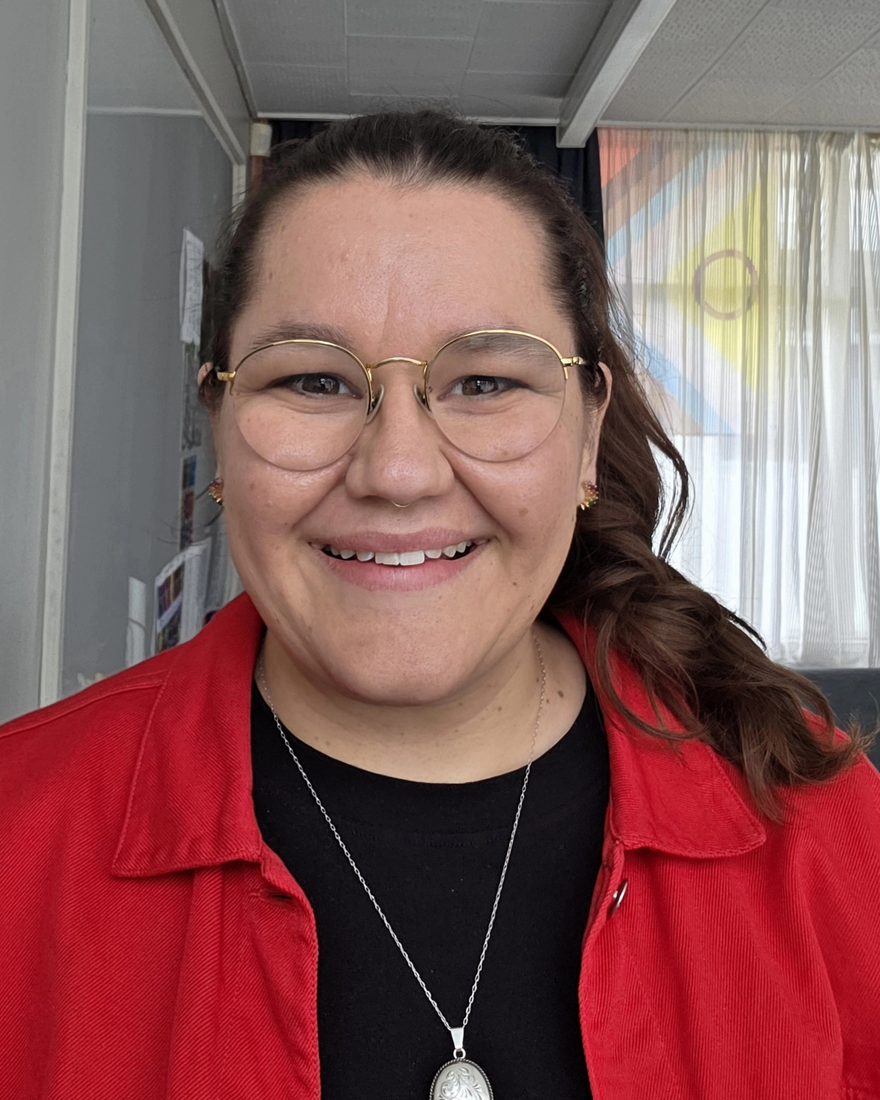
I honestly kind of love counselling. I’m so interested in people, and I enjoy the really unique world that counselling can build. It’s about me working alongside you to create a space where you feel safe, seen and supported. My trick to achieving that is completely relational: I’m big on building relationships that are real, and that becomes the foundation all the other work is built on. The pleasure of moving from there into exploring what’s difficult, what your values and strengths are, navigating conflict and challenge, and tackling whatever you bring, is such a cool thing, and one I’ve loved from both sides: from being in my own counselling, and from being the counsellor.
I have five years of counselling experience under my belt, across schools and private practice, working with people right across the age spectrum. Each person has come to me with different needs, but in many ways the job doesn’t change much: listen properly, don’t rush, and be someone worth telling.
Outside of work I’m a mum to a two and a half year old who arrived as a very premature baby, so I know what it’s like to have everything in your life change effectively overnight, and the challenge of getting your brain to keep up with that. A lot of what I lean on in difficult times are my own values of compassion and kindness, and the knowledge that nothing is permanent, good or bad. I work completely remotely, which means I get to spend a lot of my time with my daughter. We love to travel, and I’m big on finding adventures, both big and small!
If I sound like I could be a good fit for you, please reach out. I really look forward to working with you.
How I work
The relationship is the therapy
I’m person-centred at heart, which really just means you and me getting on properly is what makes counselling work. When you feel comfortable, and you trust that I’m actually interested (I am), the real stuff gets said.
And I’m not precious about how we get there. Some people arrive and get straight into it. Some people need to talk about their week, their dog, or the person who’s driving them up the wall first. All of that counts, because all of it is building trust.
What I do is help you notice what’s already in your toolkit, because there’s usually more in there than you think. Then we add to it together, through a bit of trial and error, building from your strengths rather than from a list of what’s going wrong. And I won’t turn up with a plan for your life before I’ve met you.
Who I work with
Anyone ready to start
Every counselling journey is different, so I don’t arrive with a template. We forge the path together, and it matters to me that you end up living closer to your own values, not mine. I work with adults, young adults and teenagers, from around eleven up. Honestly, the age matters less than people think: the work is you, me, and building something worth talking in.
People bring all sorts: anxiety that’s been running the show, a flat patch that won’t lift, a relationship that’s gone weird, pressure at school or at work, a big change you didn’t choose, or a thing you can’t quite name yet. That last one is more common than you’d think, and completely fine.
And if yours isn’t on the list, that doesn’t mean I can’t help. It’s a sample, not a menu.
Starting
What actually happens
-
You get in touch
For you, or for someone you love. “Hi” is plenty.
-
A free 15-minute call
Not much to this one, and that’s the point. You tell me a bit about what’s going on, and you get a feel for whether talking to me comes easily. If it’s about a young person, I like doing this call with you and them together, so nobody’s being talked about behind their back.
-
A first session
An hour, and all you have to do is show up. Making it the start of something is my job, not yours. If you’d rather not say much the first time, that’s completely normal.
-
You decide whether to carry on
Some people come a handful of times, some stay a year. No minimum, no chasing, and no hard feelings if you decide it’s not for you.
Common questions
Straight answers
What does it cost?
$120 for an hour. The first 15 minute call is free, whether or not you carry on.
What happens in the free 15-minute call?
Not much, and that’s the point. You tell me a bit about what’s going on, as much or as little as you like, and you get a feel for whether talking to me comes easily. Nothing to prepare, no obligation, and if I’m not the right fit I’ll happily point you at someone who might be.
Is what I tell you confidential?
Yes. What you tell me stays with me. The exception is safety: if you or someone else is at serious risk, I can’t sit on that, and I’ll always talk with you first about what happens next.
For young people there’s a bit more to it (see the questions below).
What are your qualifications?
I hold a Master of Counselling and a Postgraduate Diploma in Education and Guidance Counselling, and I’m a registered member of the New Zealand Association of Counsellors. That means I work to the NZAC Code of Ethics, I’m in regular professional supervision, and there’s an independent body you can take a concern to if you need one.
My training spans person-centred and pluralistic counselling, Acceptance and Commitment Therapy (ACT), solution-focused work, and trauma-informed practice. In plain terms: I have a few different tools, and I fit the approach to you rather than the other way around.
Do you work with teenagers and children?
Yes, from around eleven, though that’s not a hard and fast rule. Teenagers are where much of my experience sits, including five years in New Zealand high schools. And if your young person isn’t keen, that’s the most common starting point there is. Finding a way in with someone who’d rather not be there is genuinely one of the things I’m best at.
School counsellors do good work, but they’re usually carrying an entire school, and being seen walking into their office is a real barrier for plenty of teenagers. Online gets around both.
Will you tell me what my child says?
Generally, no, and I know that’s the hardest part to accept. What a young person brings to a session stays with me, and you won’t get a summary afterwards.
The exception is safety. Where there is a risk to a young person, and that includes thoughts of suicide and any self-harm, I will share it with a safe adult. I’ll always talk with them first, so they know that a safety concern has come up, what I’m going to do about it, and who I’ll be speaking to. Nothing happens behind their back.
Outside of safety and risk, what’s said in a session stays there.
A young person who suspects their words will be repeated over dinner tells their counsellor nothing at all. The privacy isn’t me keeping you at arm’s length. It’s what makes the work possible.
And confidentiality isn’t the same thing as keeping people apart. I’m always mindful of the relationships that matter to a young person, and a good deal of the work is about shoring those up. What I’m working towards is them feeling able to share things themselves, with the people in their life, when they’re ready.
Do you need my consent?
Yes. For anyone under 18 I ask a parent or guardian to be involved from the start and to consent before we begin. That’s a little more than the law strictly requires (from 16 a young person can consent to their own care) but it’s how I choose to work, largely because it means there’s an adult who knows what’s happening and can support things at home.
Working online makes it matter more, too. I need to know where your young person is during a session, and to have someone I can contact if a safety concern comes up.
If you’re separated or share guardianship, do let me know early so we can work out who needs to be involved before we start rather than afterwards.
And if you’re under 18 and looking for a counsellor yourself: you’re very welcome to get in touch, though I will need a parent or guardian on board before we begin. If that isn’t possible right now, Youthline on 0800 376 633 or text 234 is free and you can use it without anyone else being involved.
Get in touch
You don’t need to have the words ready
Three fields, and not one of them asks you to explain yourself. We can have a chat, you can decide whether I’m giving you a good vibe or not (no hard feelings either way), and we can go from there.
Or if you’d rather just email, I’m at quietmind.withkirsty@gmail.com.
I reply within one working day. If things feel urgent, please use one of the numbers below rather than waiting on me.
Right now
If you need someone tonight, please don’t wait for me
If you, or someone close to you, needs emergency support or is unsafe, please contact one of the numbers below.
- 1737, Need to TalkFree call or text, 24 hours.1737
- YouthlineFree call 24 hours, or text 234.0800 376 633
- What’s UpFree counselling for ages 5–18, 11am–11pm daily.0800 942 8787
- EmergencyIf you or someone else is in immediate danger.111